
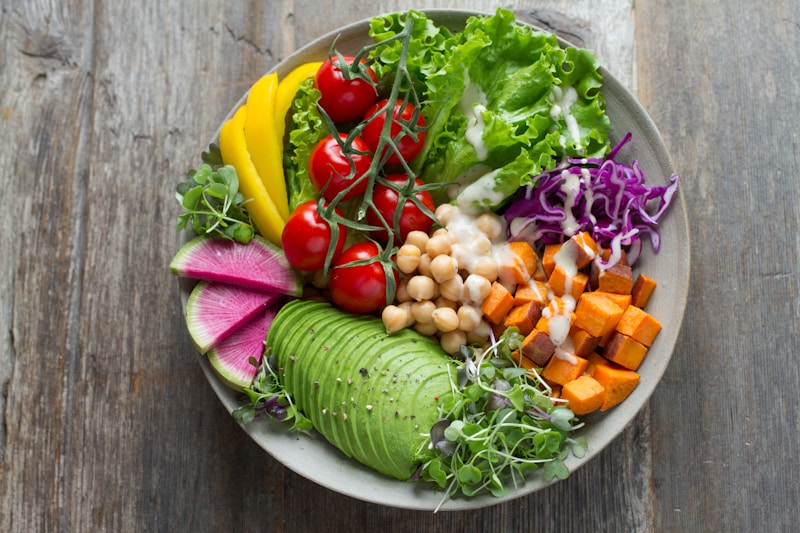
Plant-based eating has surged in popularity, and for good reason—it can be incredibly healthy when done right. But it requires more intentionality to get certain nutrients that are more abundant in animal products.
Nutrients of Concern
Vitamin B12
B12 is produced by bacteria, not plants. Fortified foods (nutritional yeast, plant milks, cereals) and supplements are necessary. I recommend anyone fully plant-based supplement B12—it's non-negotiable for neurological health.
Iron
Plant (non-heme) iron is less absorbed than animal (heme) iron. Pair iron-rich foods with vitamin C to enhance absorption. Good sources: lentils, spinach, tofu, fortified cereals. Consider testing ferritin periodically.
Zinc
Zinc from plants is less bioavailable due to phytates. Good sources: nuts, seeds, legumes. Soaking beans and sprouting seeds can improve absorption.
Omega-3s
Plant omega-3 (ALA) must convert to EPA/DHA, which is inefficient. Consider algae-based omega-3 supplements, especially for athletes or those with inflammatory conditions.
Calcium
Fortified plant milks, tofu made with calcium sulfate, tahini, and leafy greens (though some like spinach have poor bioavailability). Aim for 1200-1500mg daily from food or supplements.
Protein on Plant-Based Diets
Plant proteins are "incomplete," but combining them throughout the day provides all essential amino acids. Focus on: legumes, tofu/tempeh, seitan, quinoa, hemp seeds, and a variety of grains and legumes.
Making It Work
The key is variety and planning. Eat rainbow vegetables, include legumes daily, use fortified foods, and consider a B12 supplement. Most people thrive on well-planned plant-based diets.