
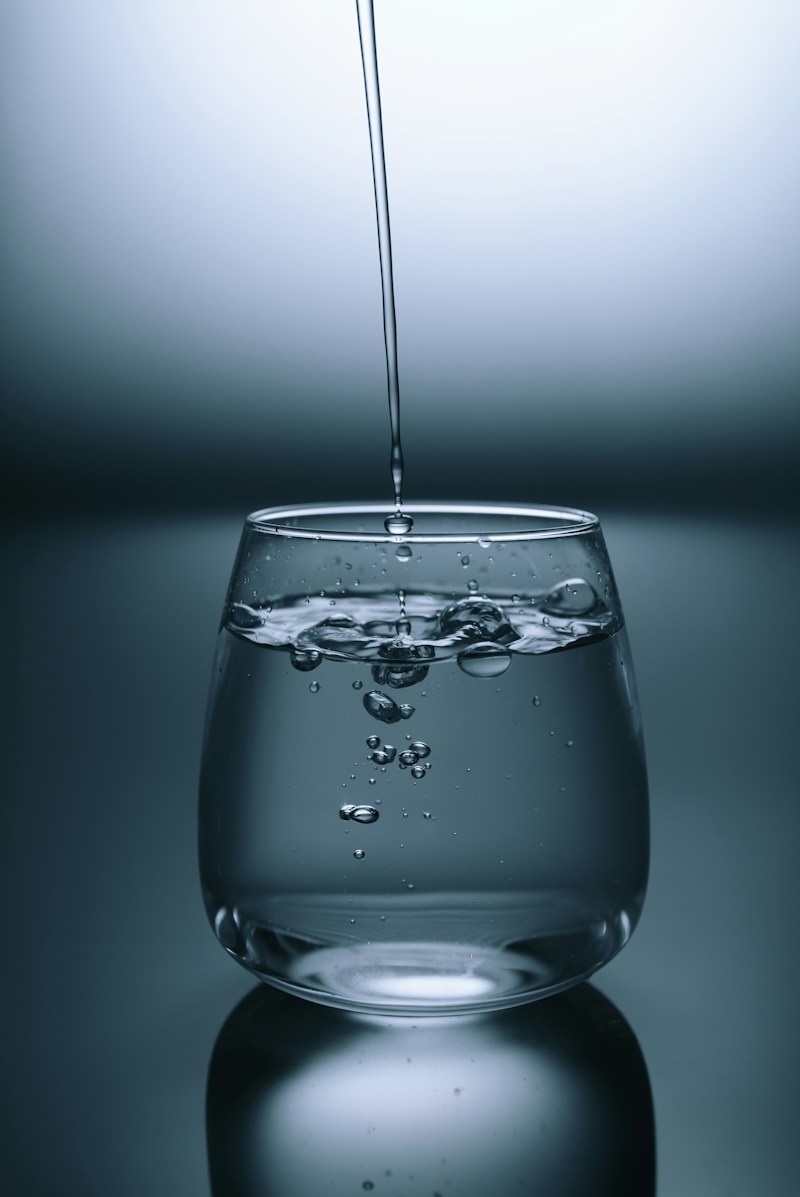
Water is the unsung hero of human metabolism. We've all heard the "8 glasses a day" rule, but the reality of hydration is far more nuanced and fascinating. Every metabolic reaction in your body—from generating energy to eliminating waste—depends on adequate water.
Why Water Matters
Your body is approximately 60% water by weight. This isn't just in your bloodstream—water is inside cells (intracellular fluid), between cells (interstitial fluid), and in your digestive juices, lymphatic system, and cerebrospinal fluid. When you're even slightly dehydrated, every system feels it.
I had a client who complained of constant fatigue. Blood tests showed nothing abnormal. After tracking her water intake, we discovered she was drinking only about 4 cups daily—roughly half what she needed. Within a week of proper hydration, her energy dramatically improved. Sometimes the simplest fixes are the most profound.
Water's Metabolic Roles
- Thermoregulation: Water absorbs and distributes heat throughout the body
- Nutrient transport: Water dissolves nutrients and carries them to cells
- Waste removal: Kidneys need adequate water to filter blood and produce urine
- Digestion: Saliva, gastric juices, and intestinal secretions all require water
- Cellular function: All cells require water for proper metabolism
- Joint lubrication: Cartilage is 80% water—dehydration affects joint function
How Much Water Do You Need?
The "8 glasses" rule is a reasonable starting point, but individual needs vary dramatically based on body size, activity level, climate, and diet. A 200-pound athlete in Arizona needs far more than a 120-pound sedentary office worker in Seattle.
A better formula: divide your body weight (pounds) by 2—that's approximately your daily water needs in ounces. A 160-pound person needs about 80 ounces (10 cups) daily. Add 8-12 ounces for each hour of exercise.
Signs of Dehydration
Mild dehydration causes: fatigue, headache, dry skin, darker urine, decreased urination, constipation, and difficulty concentrating. Chronic mild dehydration contributes to kidney stones, urinary tract infections, and constipation.
Beyond Plain Water
You get water from food (especially fruits and vegetables), coffee, tea, and other beverages. About 20% of our water intake comes from food. High-water-content foods include cucumbers (96% water), watermelon, celery, tomatoes, and lettuce.
Caffeinated beverages don't "count against" hydration despite the myth—research shows moderate coffee and tea intake contribute to hydration just fine.

Related Articles
 Nutrition Fundamentals