
When clients come to me feeling exhausted, getting sick constantly, or struggling with mysterious symptoms, one of the first things I investigate is their micronutrient status. While macronutrients (protein, carbs, and fats) get most of the attention, micronutrients are the silent players that keep every system in your body running smoothly.
After 15 years in practice, I've seen countless cases where resolving a simple vitamin D deficiency transformed someone's energy, or where low iron was the root cause of what everyone thought was "just stress." Let's dive into the world of vitamins and minerals—what they do, how to know if you're getting enough, and the best food sources.
Understanding Micronutrients
Micronutrients are vitamins and minerals required in small amounts—typically milligrams to micrograms—yet they're absolutely essential for health. Unlike macros, which provide energy (calories), micronutrients serve as cofactors, antioxidants, and structural components for enzymes, hormones, and body tissues.
Your body can't produce most micronutrients on its own (except vitamin D from sunlight and vitamin K and B7 from gut bacteria), so you must get them from food. This is why a varied, whole-food diet matters—not just for macros, but for these critical supporting nutrients.
The Fat-Soluble Vitamins

Vitamins A, D, E, and K are fat-soluble, meaning they need dietary fat to be absorbed. This is why taking these vitamins on an empty stomach or consuming "fat-free" versions of foods containing these vitamins is essentially pointless.
Vitamin A
Vitamin A is crucial for vision (especially night vision), immune function, cell growth, and skin health. The active form (retinol) comes from animal sources like liver, egg yolks, and dairy. Plant sources provide provitamin A (beta-carotene), which your body converts to active vitamin A—though this conversion is less efficient, especially in people with certain genetic variations or gut issues.
I once had a client with terrible night vision—couldn't drive after dark. She was eating what she thought was a healthy diet, but it turned out she was very low in vitamin A from avoiding animal products and not eating enough orange vegetables. Three months of prioritizing beta-carotene-rich foods (sweet potatoes, carrots, pumpkin) plus some egg yolks resolved her issue completely.
Vitamin D
Vitamin D is unique because your body synthesizes it from sunlight. It's critical for calcium absorption, bone health, immune function, mood regulation, and reducing inflammation. Deficiency is incredibly common, especially in northern latitudes, people with darker skin, those who wear sunscreen religiously, and office workers.
Lab work I order for almost every new client: vitamin D status. I've seen levels that would cause rickets in children. Most adults function suboptimally with suboptimal vitamin D and don't realize it—they just feel vaguely "off," with low energy and getting every cold that goes around.
Food sources include fatty fish (salmon, mackerel), egg yolks, and fortified foods. But honestly, most people in northern climates need supplementation to maintain adequate levels, especially in winter. I typically recommend 1,000-2,000 IU daily, though some people need more based on testing.
Vitamin E
Vitamin E is a potent antioxidant that protects cell membranes from oxidative damage. It works synergistically with other antioxidants, particularly vitamin C, to regenerate its antioxidant capacity. Nuts, seeds, spinach, and avocado are good sources. Deficiency is rare but can occur in people with fat malabsorption issues.
Vitamin K
Vitamin K is essential for blood clotting and bone health. It activates proteins that direct calcium to your bones and teeth (where it belongs) and away from soft tissues and arteries (where it causes problems). There are two main forms: K1 (phylloquinone) from leafy greens, and K2 (menaquinone) from fermented foods and animal products.
The vitamin K1 to K2 distinction is fascinating. K2 is produced by gut bacteria and is also found in natto (fermented soybeans), cheese, and egg yolks. Some research suggests K2 is particularly important for bone and cardiovascular health. I've started recommending K2 supplementation to clients concerned about bone density, especially post-menopausal women.
The Water-Soluble Vitamins
The B vitamins and vitamin C are water-soluble, meaning your body doesn't store them—they're excreted in urine. This means you need consistent daily intake, but also that toxicity from supplementation is rare (except for B6, which can cause nerve damage at very high doses).
B Vitamins: The Energy Vitamins
The B-complex vitamins work together in energy metabolism, converting food into usable cellular energy. They also support nervous system function, red blood cell production, and DNA synthesis. Each B vitamin has additional specific roles:
- B1 (Thiamine): Energy metabolism, nerve function. Found in whole grains, pork, legumes.
- B2 (Riboflavin): Energy production, skin health. Found in dairy, eggs, green vegetables.
- B3 (Niacin): Energy metabolism, DNA repair. Found in meat, fish, peanuts.
- B5 (Pantothenic acid): Hormone and cholesterol synthesis. Found in most foods, especially eggs and avocados.
- B6: Amino acid metabolism, neurotransmitter production, hemoglobin synthesis. Found in poultry, fish, potatoes, bananas.
- B7 (Biotin): Hair, skin, and nail health; glucose metabolism. Found in eggs, nuts, sweet potatoes.
- B9 (Folate): DNA synthesis, cell division, crucial in pregnancy. Found in leafy greens, legumes, avocado.
- B12: Nerve function, red blood cell formation, energy. Found almost exclusively in animal products.
B12 deserves special attention because deficiency is surprisingly common, even among meat eaters. B12 requires intrinsic factor (a protein produced in your stomach) for absorption, and production of both intrinsic factor and stomach acid decreases with age. I recommend B12 testing for anyone over 40, vegans and vegetarians (since plant foods don't contain active B12), and anyone with gut issues.
Vitamin C
Vitamin C is best known for immune support, but it's also crucial for collagen synthesis (skin, bones, connective tissue), antioxidant protection, iron absorption, and wound healing. Your adrenal glands also use large amounts of vitamin C during stress.
The classic vitamin C deficiency disease is scurvy—weak connective tissue, bleeding gums, poor wound healing, and eventually death. It was common among sailors on long voyages before citrus fruits were included in provisions. Subclinical deficiency is far more common today and manifests as frequent colds, slow-healing wounds, and easy bruising.
Food sources include citrus fruits, bell peppers, strawberries, kiwi, broccoli, and tomatoes. The RDA is 75-90mg daily, but many practitioners recommend higher amounts (500-1000mg) for immune support, especially during illness or high-stress periods. Your body absorbs only about 200mg at a time, so splitting supplementation throughout the day is more effective than taking a large dose once daily.
Essential Minerals
Magnesium
Magnesium is involved in over 300 enzymatic reactions, including energy production, muscle and nerve function, blood pressure regulation, and blood glucose control. It's also critical for vitamin D activation—without magnesium, the vitamin D you consume or produce from sunlight can't be converted to its active form.
Magnesium deficiency is incredibly common, partly because modern diets are low in magnesium-rich foods (leafy greens, nuts, seeds, whole grains) and partly because factors like stress, alcohol consumption, and certain medications deplete magnesium. Symptoms include muscle cramps, restless legs, anxiety, insomnia, and constipation.
I've had numerous clients whose "unexplainable" muscle cramps or sleep issues resolved simply by supplementing magnesium. I generally recommend 200-400mg daily, preferably in forms like magnesium glycinate or citrate (avoid magnesium oxide, which is poorly absorbed and mainly acts as a laxative).
Iron
Iron is essential for oxygen transport in the blood (as part of hemoglobin) and muscles (as part of myoglobin). It also plays roles in energy production and immune function. Iron deficiency causes anemia—fatigue, weakness, shortness of breath, and impaired cognitive function.
There are two types of dietary iron: heme (from animal sources, better absorbed) and non-heme (from plant sources, less absorbed). Vitamin C enhances non-heme iron absorption, which is why eating bell peppers or citrus with plant iron sources significantly boosts absorption.
Iron deficiency is particularly common in menstruating women (due to blood loss), endurance athletes (due to foot-strike hemolysis and GI losses), and vegans/vegetarians (due to lower bioavailability of plant iron). If you're a woman with heavy periods or an endurance athlete experiencing fatigue, ask your doctor to check your ferritin (stored iron) levels—not just hemoglobin.
Zinc
Zinc is involved in immune function, wound healing, protein synthesis, and DNA synthesis. It's also crucial for taste and smell perception (zinc deficiency can cause loss of appetite and reduced ability to taste food). Oysters are the richest source, followed by red meat, pumpkin seeds, and seafood.
Zinc competes with copper for absorption, so high zinc supplementation over time can cause copper deficiency. If you're supplementing zinc long-term, use a formula that includes copper or eat copper-rich foods (liver, nuts, seeds) regularly.
Selenium
Selenium is crucial for thyroid hormone metabolism and antioxidant defense (as part of glutathione peroxidase). Brazil nuts are exceptionally rich in selenium—just one nut per day can meet your needs. Deficiency can impair thyroid function and immune response.
Calcium
Calcium is well-known for bone health, but it also plays roles in muscle contraction, nerve signaling, and blood clotting. The best sources are dairy products, sardines with bones, and fortified plant milks. Leafy greens like kale and bok choy also contain calcium, though it's less bioavailable than from dairy.
Iodine
Iodine is essential for thyroid hormone synthesis. Deficiency causes goiter (enlarged thyroid) and hypothyroidism, and during pregnancy can cause cretinism in the developing fetus. Iodized salt has largely eliminated severe deficiency in developed countries, but people avoiding processed foods and salt may need alternative sources like seaweed or supplementation.
How to Ensure You're Getting Enough
The best strategy for micronutrient adequacy is a varied whole-food diet that includes:
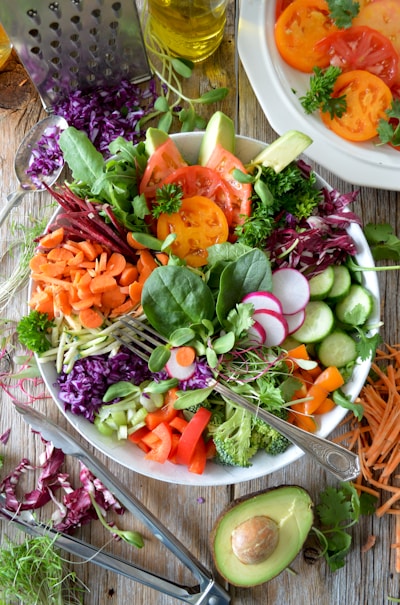
- Colorful vegetables daily (greens, reds, oranges, yellows—each color family provides different nutrients)
- Protein sources from both animals and plants
- Whole grains and legumes
- Nuts and seeds
- Fat from quality sources (olive oil, avocado, nuts, eggs, fatty fish)
That said, certain situations may warrant supplementation:
- B12: Essential for vegans/vegetarians; recommended for everyone over 40
- Vitamin D: Most people in northern latitudes; get levels tested
- Magnesium: If you have muscle cramps, sleep issues, or constipation
- Iron: If you have heavy periods, are an endurance athlete, or have symptoms of deficiency
- Omega-3s: If you don't eat fatty fish 2-3 times weekly
I've seen supplement regimens become "nutrition theater"—clients taking dozens of pills they've read about, often without testing to see if they actually need them. More isn't necessarily better, and some supplements can actually interfere with absorption of others or have upper limits you don't want to exceed.
My recommendation: if you're eating a varied diet and still feeling off, ask your doctor to run a comprehensive nutrient panel. This can reveal hidden deficiencies that are easily corrected with targeted supplementation. Don't guess—test.

Related Articles
 Nutrition Fundamentals
 Nutrition Fundamentals
 Health Conditions