
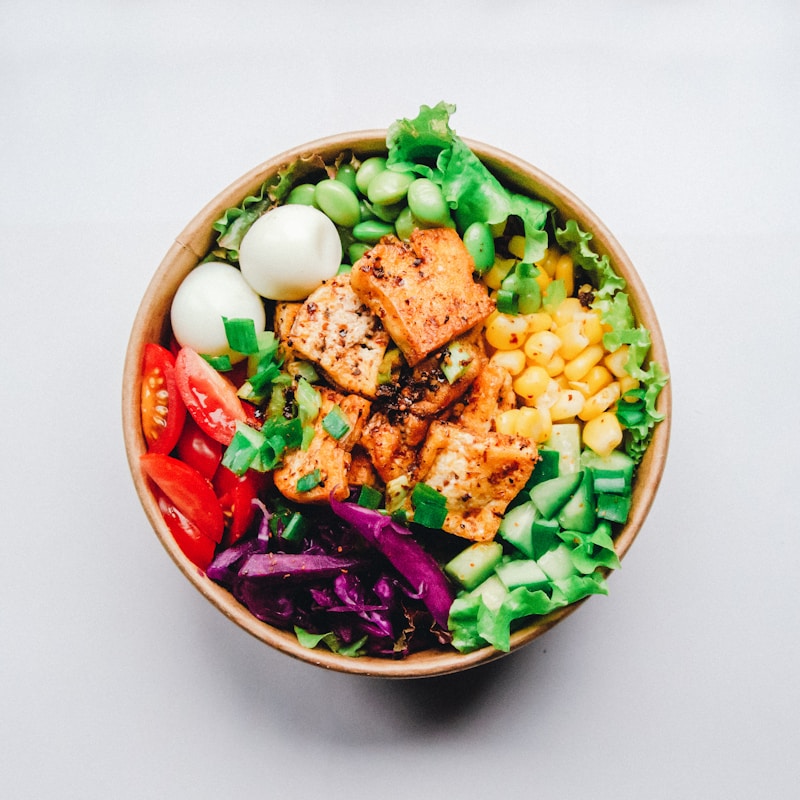
After years of complex nutrition advice, many clients find relief in returning to basics. The plate method is a simple visual framework that takes the guesswork out of meal composition. No counting, no macros, no points—just fill your plate with the right proportions and let your body do the rest.
The Basic Framework
Imagine your plate divided into three sections:
- Half your plate: Vegetables and fruits (the more colorful, the better)
- One quarter of your plate: Lean protein
- One quarter of your plate: Whole grains or starchy vegetables
Add a small amount of healthy fat (olive oil, avocado, nuts) and water or other unsweetened beverages. That's it.
Why This Works
The plate method works because it naturally creates balanced meals with appropriate proportions. When half your plate is vegetables, you're automatically getting fiber, vitamins, minerals, and phytochemicals while keeping overall caloric density reasonable. The protein quarter provides satiety and amino acids for tissue maintenance. The carb quarter gives sustained energy.
This isn't a diet—it's how you structure any meal, whether you're at home, at a restaurant, or traveling. Once you internalize the proportions, you don't need to think about them.
Protein Options
Every meal should include protein. Good options include poultry, fish, eggs, tofu, tempeh, legumes, Greek yogurt, cottage cheese, and lean beef or pork. Plant-based eaters can combine legumes with grains for complete proteins, or simply eat varied plant proteins throughout the day.
Carb Smarter
Not all carbs are equal. Choose whole grains (quinoa, brown rice, oats, whole wheat), starchy vegetables (sweet potatoes, winter squash), or legumes. Minimize refined grains (white bread, white rice, regular pasta) and added sugars.
Real-World Application
Breakfast: 2-3 eggs (protein), spinach and tomato (vegetables), whole grain toast with avocado (carbs + fat)
Lunch: Grilled chicken breast (protein), massive salad with colorful vegetables (vegetables), quinoa (carbs), olive oil dressing (fat)
Dinner: Baked salmon (protein), roasted broccoli and sweet potato (vegetables and carbs), sautéed kale with garlic (vegetables + fat)
Snacks: Apple with almond butter, Greek yogurt with berries, handful of nuts

Related Articles
 Nutrition Fundamentals